Asbestos in Wollongong Homes: Identification & Safe Disposal with Hazibags
If your Wollongong home was built before 1990, there's a good chance it contains asbestos somewhere. This isn't cause for immediate panic. Asbestos that's in good condition and left undisturbed isn't dangerous. The problems start when asbestos materials are damaged, renovated, or removed incorrectly.
Thousands of Illawarra homes have fibro walls, asbestos fences, or cement sheeting in wet areas. Most sit harmlessly until renovation time arrives. That's when homeowners discover they can't take asbestos to Wollongong's waste depot, can't put it in regular skip bins, and face strict NSW laws about removal and disposal. This blog covers what Wollongong residents actually need to know about finding, identifying, and legally disposing of asbestos using Hazibags.
Why Wollongong Homes Have Asbestos
Asbestos was a popular building material in Australia from the
1940s through to the late 1980s. Builders loved it because it was cheap, fireproof, durable, and easy to work with. The Illawarra region, including Wollongong, saw massive residential growth during this period. Many homes built in suburbs like Thirroul, Corrimal, Fairy Meadow, and Port Kembla contain asbestos materials. The Australian government completely banned asbestos in 2003. However, this ban doesn't apply to materials already installed. Your 1970s Wollongong home still has its original asbestos. The ban only stopped new asbestos from being manufactured, imported, or used.
Common Places to Find Asbestos in Wollongong Homes
Wollongong Council notes that if your house was built before 1990, asbestos could be in several locations. Here are the most common places:
External areas:
- Fibro wall cladding (the most obvious sign)
- Roof sheeting (flat or corrugated)
- Eaves and soffits
- Fences (fibro fence sheets were very common)
- Garage walls and carport cladding
- Outdoor toilet or laundry buildings
- Garden sheds
Internal areas:
- Wall linings in bathrooms and laundries (Tilux sheeting)
- Kitchen splashbacks
- Ceiling panels
- Behind wall tiles in wet areas
- Vinyl floor tiles and the adhesive underneath
- Backing on carpet underlay
Less obvious locations:
- Around hot water systems
- Oven and heating flues
- Drainpipes and downpipes
- Under eaves as soffit lining
The wet areas of your home (bathrooms, laundries, kitchens) were prime spots for asbestos because it's water-resistant. Many Wollongong homes have Tilux sheeting in these areas. This asbestos cement product was marketed specifically for wet areas.
What Does Asbestos Look Like?
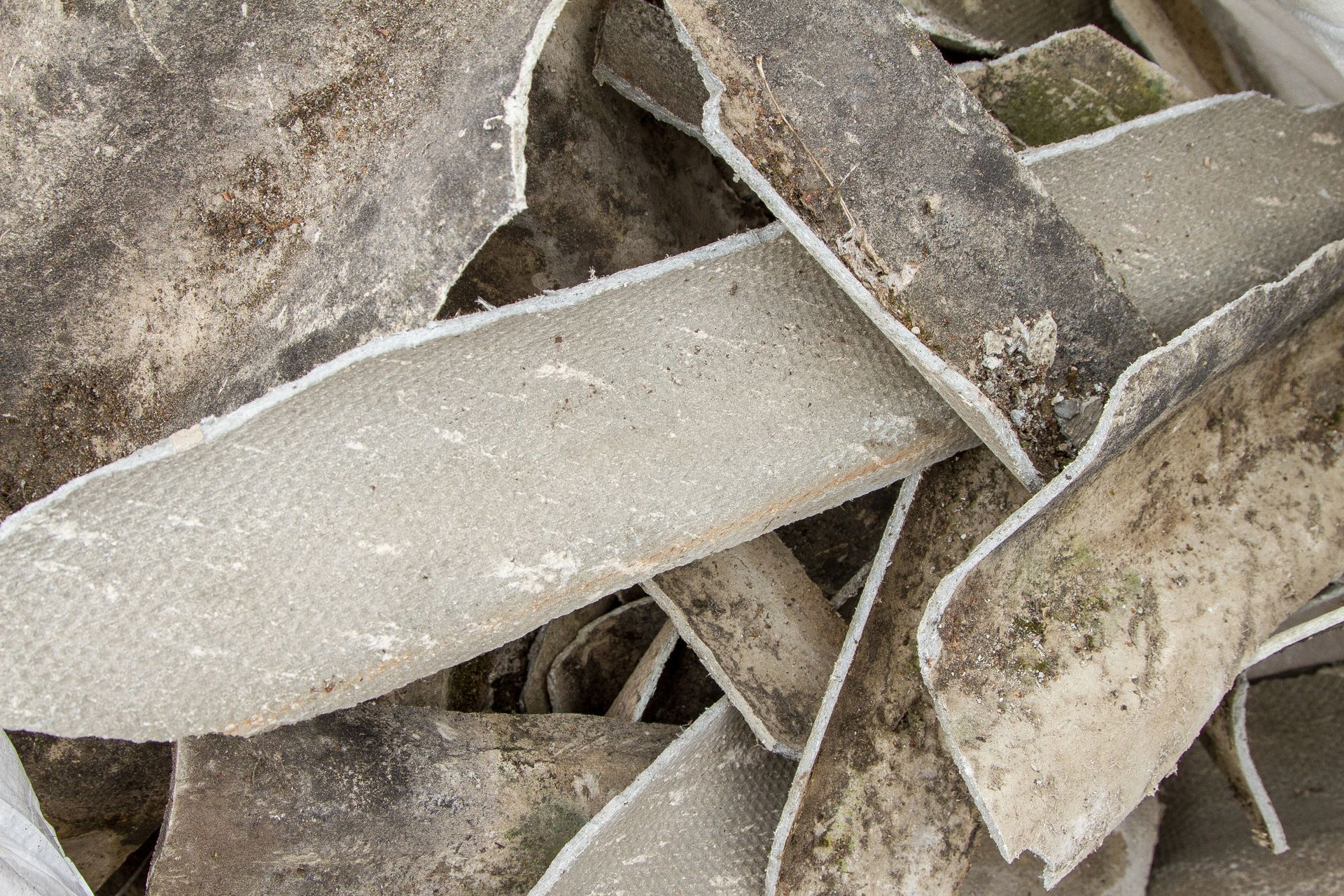
Asbestos cement sheeting, commonly called fibro, is usually white to grey in colour. The surface can be flat and smooth, or it might have a dimpled texture like a golf ball. Some fibro has been painted, which can make identification harder.
If you look closely at unpainted fibro, you might see a rough, grainy texture. Small asbestos fibres may be visible within the cement. The material feels hard and brittle compared to modern fibre cement products.
Corrugated asbestos sheets have sharp, well-defined ridges. These were common on roofs, sheds, and garages. Flat asbestos sheets were used for walls, ceilings, and internal linings.
One identifying feature is how fibro sheets are joined. The joins often have timber cover strips (D-mould strips) or flat timber battens covering the gaps. Metal strips also appear on some products like Tilux.
The nails holding fibro in place are distinctive too. Galvanised shear point nails have flat heads and no points. They sit slightly proud (raised) from the surface rather than flush.
Important: You cannot confirm asbestos just by looking at it. Materials that look identical can be asbestos or asbestos-free. The only way to know for certain is laboratory testing by a licensed asbestos assessor.
Friable vs Non-Friable Asbestos
Asbestos comes in two categories that determine how dangerous it is and who can remove it.
Friable Asbestos
Non-friable (bonded) asbestos is mixed with cement or another binding material. It's solid and rigid. You cannot crumble it into powder with your hands when it's dry. Fibro sheeting, asbestos cement roofing, and vinyl floor tiles are non-friable asbestos. They contain about 5-15% asbestos with the rest being binding material.
Non-friable asbestos in good condition poses a low risk. The asbestos fibres are tightly bound and not easily released into the air. This doesn't mean it's safe to disturb. Cutting, drilling, breaking, or weathering can release fibres.
Non-Friable Asbestos
Friable asbestos is easily crumbled into powder with hand pressure when dry. It contains high concentrations of asbestos (up to 100% in some cases). The fibres are loose and easily become airborne. Examples include old pipe lagging, sprayed-on insulation, and loose-fill ceiling insulation.
Friable asbestos is extremely dangerous because fibres release so easily. Even a breeze or walking past it can disturb the material and send fibres into the air.
Critical point: Non-friable asbestos can become friable. Old fibro sheeting that's weathered, broken, or damaged during removal can start releasing fibres. This is why you must be careful even with "bonded" asbestos.
NSW Laws on Asbestos Removal
NSW has strict laws about who can remove asbestos. These laws protect people from dangerous exposure.
Friable asbestos: Only licensed professionals with a Class A asbestos removal licence can remove any amount of friable asbestos. Homeowners cannot remove friable asbestos themselves under any circumstances.
Non-friable asbestos over 10 square metres: You must use a licensed professional with at least a Class B asbestos removal licence. If you're removing more than 10 square metres of fibro sheeting, fence panels, or roofing, you need a licensed contractor.
Non-friable asbestos under 10 square metres: Homeowners can remove up to 10 square metres of non-friable asbestos without a licence. However, this is strongly discouraged. The health risks are serious and the disposal requirements are complicated.
If you're doing DIY removal under the 10 square metre limit, you must follow strict safety procedures. These include wearing proper protective equipment, wetting down materials, not using power tools, and disposing of waste correctly.
For most Wollongong homeowners, the safest option is hiring a licensed asbestos removalist regardless of the amount.
How Hazibags Work for Asbestos Disposal
Standard skip bins cannot accept asbestos under any circumstances. This is where Hazibags come in.
Hazibags are specialised 3 cubic metre bags designed specifically for non-friable asbestos waste. They're made from heavy-duty material that safely contains asbestos materials during transport and disposal.
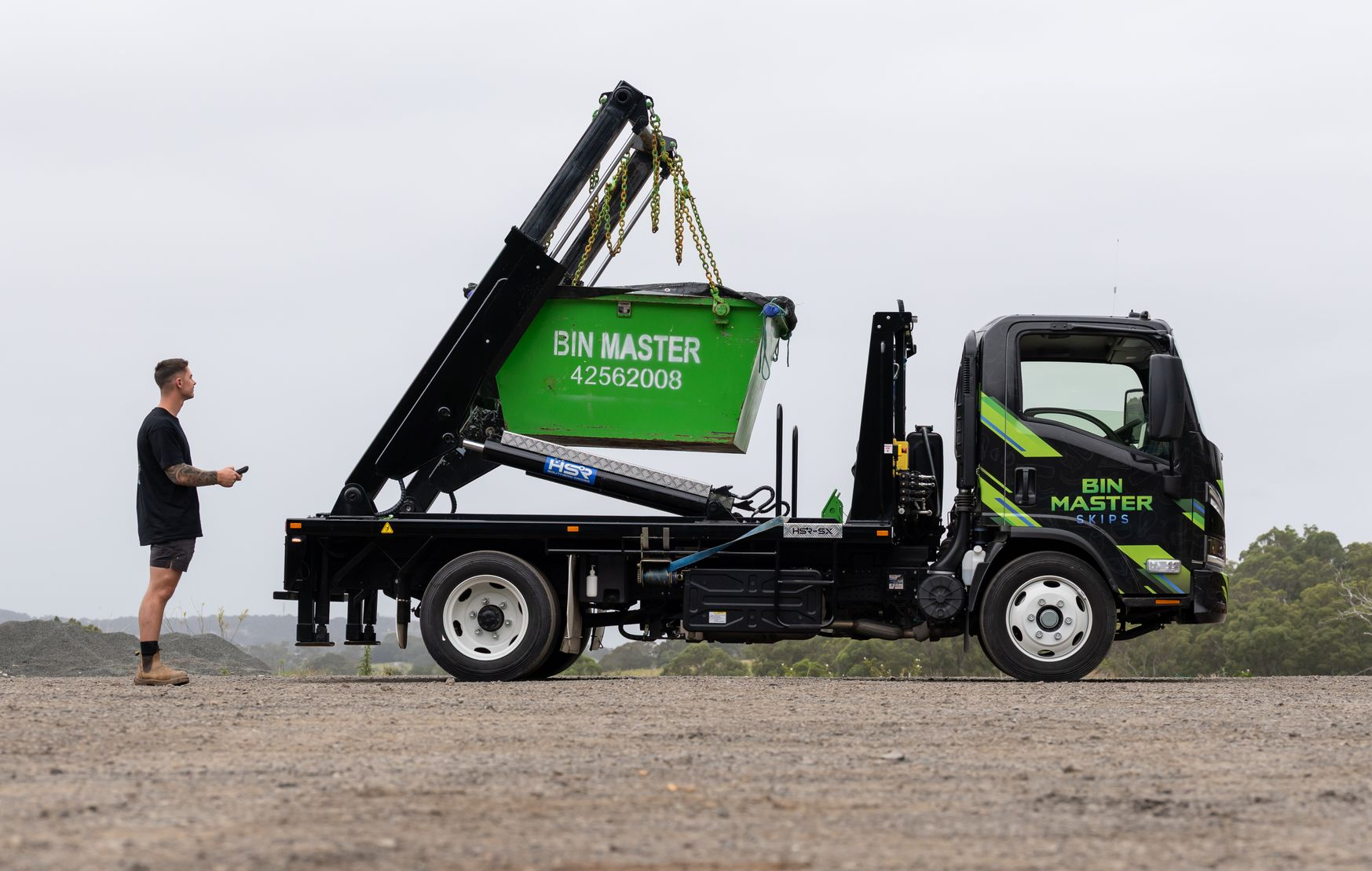
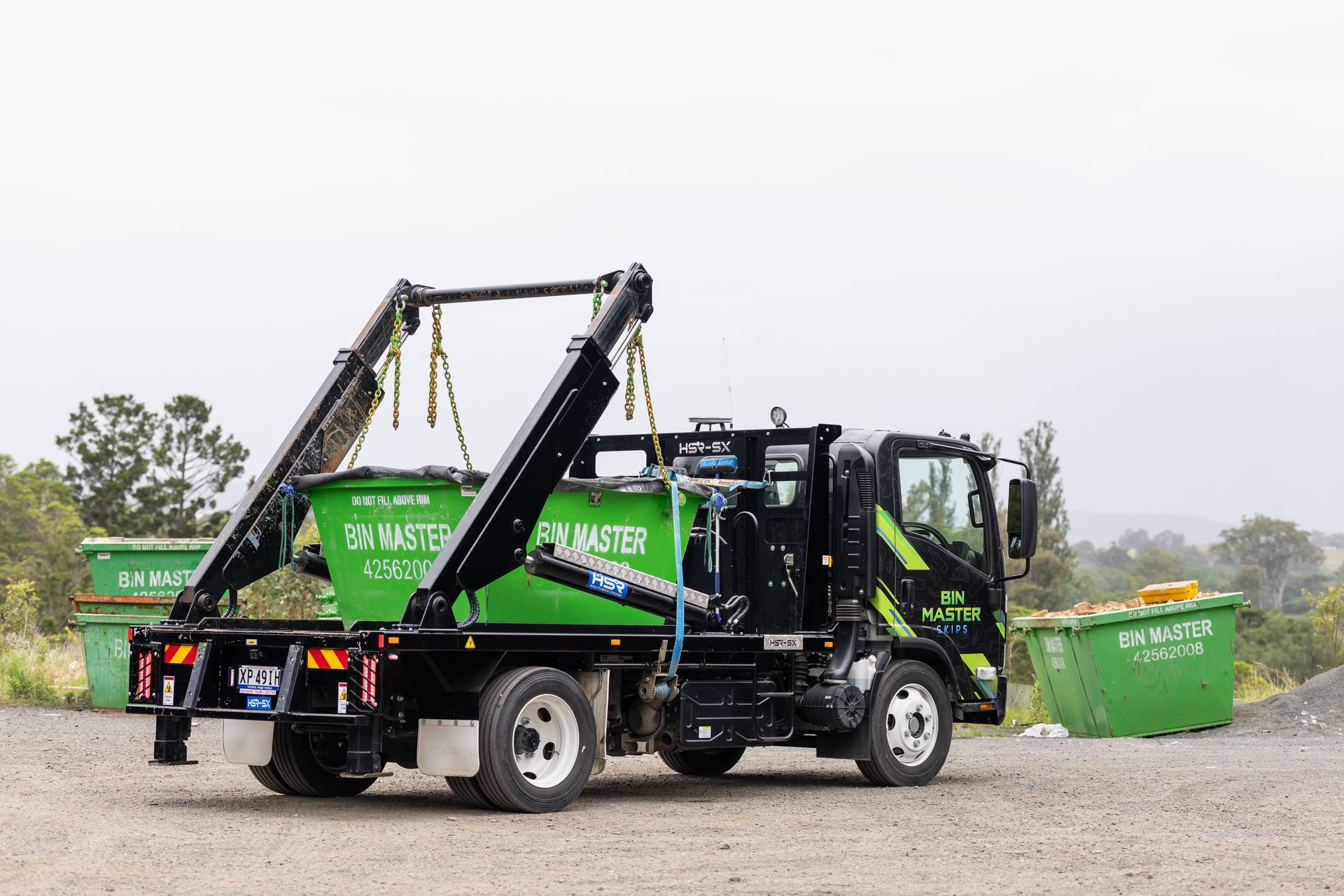
At Bin Master Skip Bins Wollongong, we provide Hazibags for all your non-friable asbestos disposal needs. Here's how it works:
- You arrange for a licensed asbestos removalist to remove the asbestos from your property
- We deliver the Hazibag to your property
- The licensed removalist places the asbestos waste into the Hazibag according to regulations
- Once filled, we collect the sealed Hazibag
- We transport it to a specialised licensed landfill that accepts asbestos waste
What Bin Master provides:
- The Hazibag itself
- Delivery to your property
- Collection once filled
- Transport to licensed asbestos disposal facility
What Bin Master does NOT provide:
- Asbestos removal (we are not licensed removalists)
- Asbestos identification or testing
- Removal of friable asbestos
Both friable and non-friable asbestos require a licensed professional for removal. We handle the bag and transport. You must arrange the actual removal separately through a licensed asbestos removalist.
Disposing of Asbestos in Wollongong: Your Options
Wollongong Council provides clear guidance on asbestos disposal. Strict rules apply and breaking them carries serious penalties.
It is illegal to:
- Put asbestos in household garbage bins
- Dump asbestos anywhere
- Take asbestos to Wollongong's waste disposal depot (they do not accept it)
Legal disposal options:
Option 1: Licensed asbestos removalist (recommended)
The safest and most straightforward option. A licensed removalist handles everything including removal, packaging, transport, and disposal. They know all the regulations and have proper insurance.
Option 2: Licensed facility with Hazibag
If you've had asbestos removed by a licensed professional, they can place it in a Hazibag. Bin Master then collects and transports it to a licensed disposal facility.
Option 3: P&D Envirotech This local Wollongong company accepts asbestos waste. Contact them directly for pricing and requirements. This is mentioned by Wollongong Council as a local disposal option.
Option 4: Other NSW facilities
The NSW EPA website lists facilities across NSW that accept household asbestos. Always phone ahead to confirm they can accept your asbestos and understand their specific requirements.
The Real Dangers of Asbestos
Understanding why asbestos is dangerous helps explain why disposal rules are so strict.
When asbestos materials are disturbed, tiny fibres break off and become airborne. These fibres are invisible to the naked eye. You cannot see, smell, or taste asbestos in the air.
When you breathe in asbestos fibres, they lodge deep in your lungs. Your body cannot break them down or remove them. They stay there permanently.
Over time (often 20-40 years later), these fibres cause serious diseases:
- Asbestosis: Scarring of lung tissue making it hard to breathe. This is a chronic, progressive disease with no cure.
- Lung cancer: Asbestos exposure significantly increases lung cancer risk, especially for smokers.
- Mesothelioma: A
rare and aggressive cancer affecting the lining of the lungs, chest, or abdomen. This cancer is almost always fatal.
There is no safe level of asbestos exposure. Even brief exposure can cause disease decades later. This is why NSW laws are so strict and why proper disposal through Hazibags is essential.
What to Do If You Find Asbestos
If you discover or suspect asbestos in your Wollongong home, follow these steps:
Step 1: Don't disturb it
If the asbestos is in good condition and not damaged, leave it alone. Undisturbed asbestos in good condition poses minimal risk.
Step 2: Get professional testing
Contact a licensed asbestos assessor if you're unsure whether material contains asbestos. They'll take samples and have them laboratory tested. Never take samples yourself.
Step 3: Plan your approach
If the asbestos needs removal (because you're renovating or it's damaged), contact a licensed asbestos removalist. Get quotes from several licensed contractors.
Step 4: Arrange Hazibags
Contact Bin Master's specialised
skip bin services in Wollongong to arrange Hazibag delivery. We'll coordinate timing with your removalist.
Step 5: Licensed removal
Your licensed removalist removes the asbestos and places it in the Hazibag following all safety procedures.
Step 6: Collection and disposal
Bin Master collects the sealed Hazibag and transports it to a licensed disposal facility.
Asbestos in Renovation Projects
Many Wollongong homeowners discover asbestos when planning renovations. Bathroom renovations, kitchen updates, and extensions often involve removing walls, ceilings, or floors that contain asbestos.
Before starting any renovation on a pre-1990 Wollongong home:
- Get an asbestos inspection by a licensed assessor
- Identify what materials contain asbestos
- Plan removal before renovation work begins
- Budget for licensed asbestos removal (it's not cheap but it's necessary)
- Arrange Hazibags for disposal
Trying to save money by skipping professional asbestos removal during renovations is dangerous and illegal. The health risks aren't worth it.
Many Wollongong tradespeople will refuse to work on sites where asbestos hasn't been properly removed. Licensed builders and renovators understand the risks and requirements.
Keep Your Family Safe
Asbestos in Wollongong homes is common but manageable. The key is knowledge and following proper procedures.
If your home was built before 1990, assume asbestos is present until proven otherwise. Don't disturb materials that might contain asbestos. Get professional testing and removal when necessary.
At Bin Master Skip Bins Wollongong, we provide the Hazibags and transport service that makes legal asbestos disposal possible. We serve all of Wollongong and the Illawarra with same-day delivery when you need it.
Remember: we supply Hazibags and handle transport to licensed disposal facilities. We are not licensed to remove asbestos. You must arrange removal through a licensed asbestos removalist separately.
For more information about asbestos in your home, visit the Asbestos in NSW website or the Asbestos Awareness website. These resources provide detailed guidance on identification, safety, and removal.
Contact Bin Master today if you need Hazibags for asbestos disposal in Wollongong. We'll make sure your asbestos waste is transported and disposed of correctly and safely.
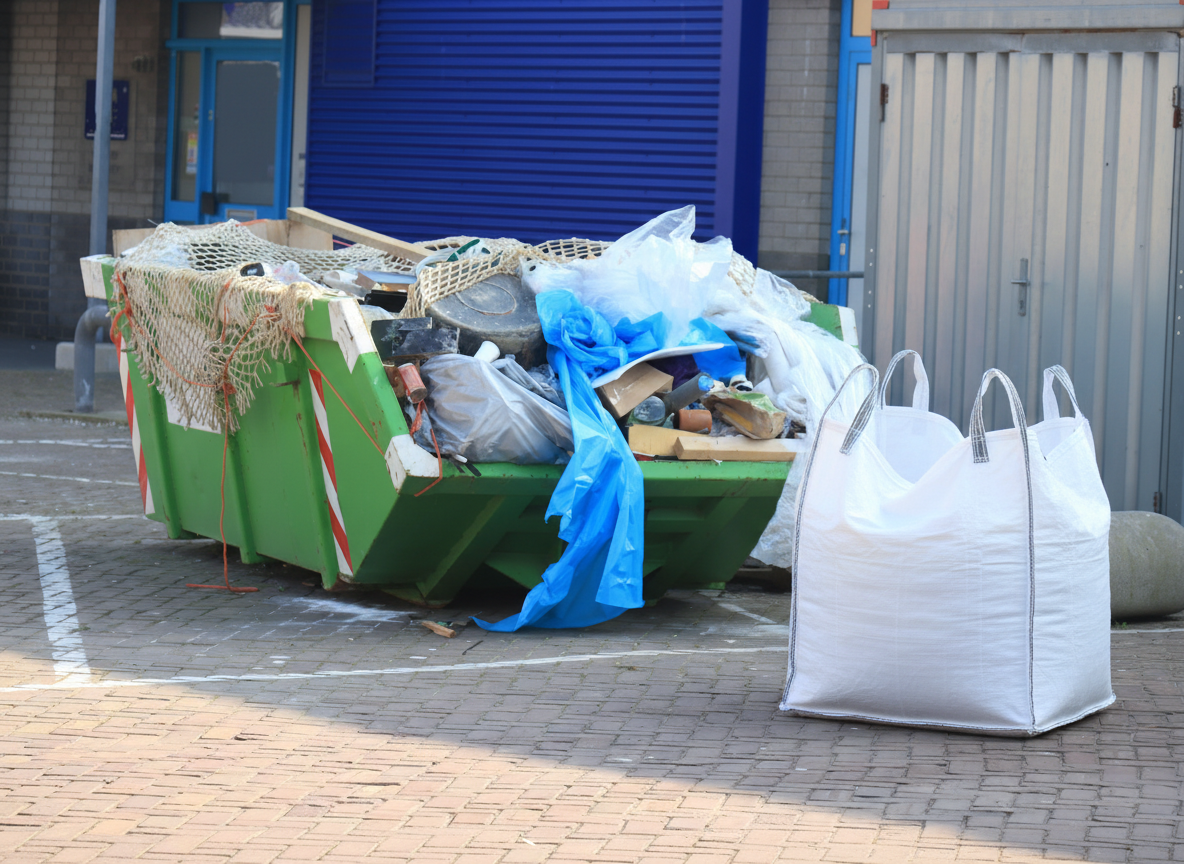
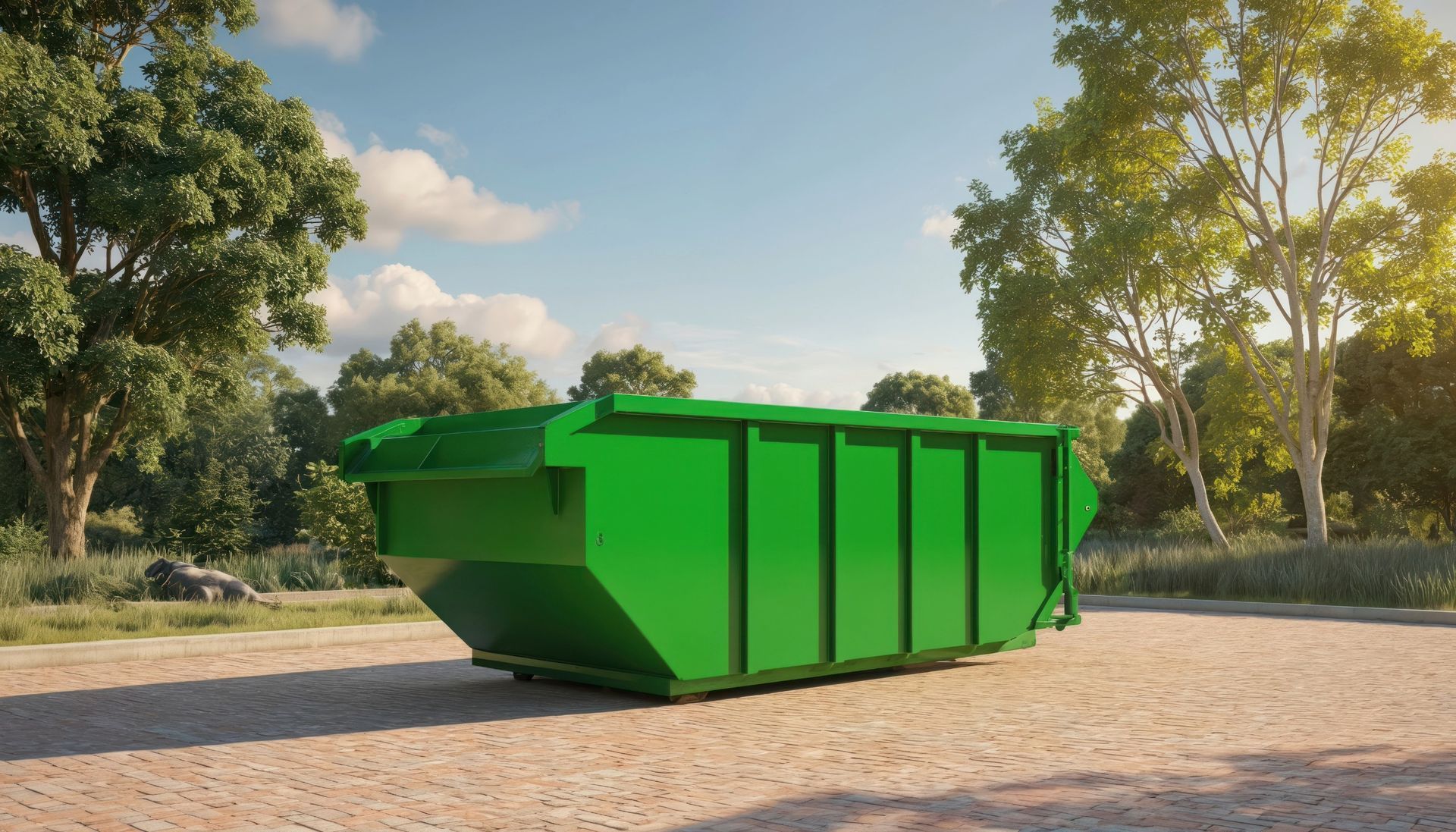
Bin Master Skip Bins offers a wide range of skip bin and skip bag sizes for different waste removal needs at great rates. Whether it's household waste, construction debris, or green waste, we have a suitable skip solution available for you.
Recent Posts

We hope you enjoyed reading this blog post!
Bin Master Skip Bins is a family-owned and -operated skip hire company servicing Wollongong and the surrounds. We provide skips for various waste disposal needs. Visit our website to explore our range of skip sizes.