Construction and Demolition Waste: What It Is and How to Manage It Effectively

Bin Master • 11 October 2024

Did you just finish a construction or renovation project and find yourself wondering what to do with all the leftover materials?


The construction and demolition industry generates millions of tons of waste each year. And if not managed properly, these wastes can lead to significant environmental impacts.


In this blog, we'll explain what construction and demolition waste is made up of, the importance of managing it effectively, and practical strategies for reducing waste generation.


From recycling and reusing materials to understanding local regulations, this blog will help you implement sustainable practices in your projects.

What is Construction and Demolition Waste?

Construction and Demolition Waste refers to the debris generated during the construction, renovation, demolition, or remodeling of buildings, roads, bridges, and other infrastructure.


When not disposed of correctly, these types of waste not only cause a significant environmental impact, but they may also result in legal repercussions for the individual or person responsible for the disposal.

Construction Waste

Construction waste refers to the various materials that are discarded, surplus, or unusable during the construction, renovation, or demolition of buildings, manufacturing facilities, and other structures.


Some examples of construction waste materials include:

concrete

wood

metal

glass

drywall

bricks

asphalt and bitumen

plastic

insultion

soil and excavation

lead-based waste

chemicals

miscellaneous waste

Demolition Waste

Demolition waste refers to the materials generated during the process of tearing down buildings and structures.


Often, demolition waste contains hazardous materials like asbestos, lead, or chemicals, which require special handling and disposal to prevent health risks to workers and the surrounding community.


Some common examples of demolition waste materials include:

concrete

bricks

wood

metal

drywall

glass

tiles

asphalt

insultion

plumbing fixtures

electrical components

hazardous materials (e.g., asbestos)

lead-based waste

chemicals

soil and earth

miscellaneous waste

Importance of Managing Construction and Demolition Waste

Proper waste management reduces hazards and supports sustainability in construction. Here are possible reasons why proper waste management is important:

Public Health and Safety

Improperly managed waste can pose health risks to workers and the public. For instance, people exposed to hazardous materials such as asbestos or lead could potentially have serious health issues in the long run.


What's more, construction sites with unmanaged waste can become breeding grounds for pests, create tripping hazards, and cause accidents to workers and nearby residents.

Environmental Benefits

Proper management of construction and demolition waste is crucial to reduce environmental harm. Not only can improperly managed waste contribute to pollution but in worst cases, it can also lead to habitat destruction, and excessive landfill usage.


Moreover, hazardous materials like asbestos, lead, and certain chemicals in construction waste can leach toxins into the soil and water and pose long-term environmental impacts to ecosystems and human health.

Conservation of Valuable Resources

By recycling and reusing materials such as concrete, wood, and metals, construction and demolition waste management helps conserve natural resources and promotes less waste.


It reduces the need for new materials, minimises energy consumption during production, and limits the extraction of finite resources like minerals and forests.

Regulatory Compliance

Most areas in Australia have strict regulations on the disposal and recycling of construction and demolition waste.


This is why it's important to practice proper waste management to guarantee compliance with legal requirements. Not only are you able to avoid fines and penalties but you can also avoid potential project delays.

Cost Savings

Effective waste management strategies can save construction companies money by reducing disposal costs, recovering valuable materials, and optimising recycled products on-site.


By implementing recycling programs and improving waste segregation, we can transform waste into valuable resources, ultimately reducing project expenses.

Reduction of Greenhouse Gas Emissions

By diverting construction and demolition wastes from landfills and encouraging recycling efforts, the construction industry can reduce its carbon footprint.


Landfills emit methane, a potent greenhouse gas, while recycling materials typically requires less energy than producing new ones.


This lowers greenhouse gas emissions and preserves important natural resources like timber, water, and minerals.

How to Properly Manage Construction and Demolition Waste

Here are key steps to manage construction and demolition waste effectively.

Use Skip Bins

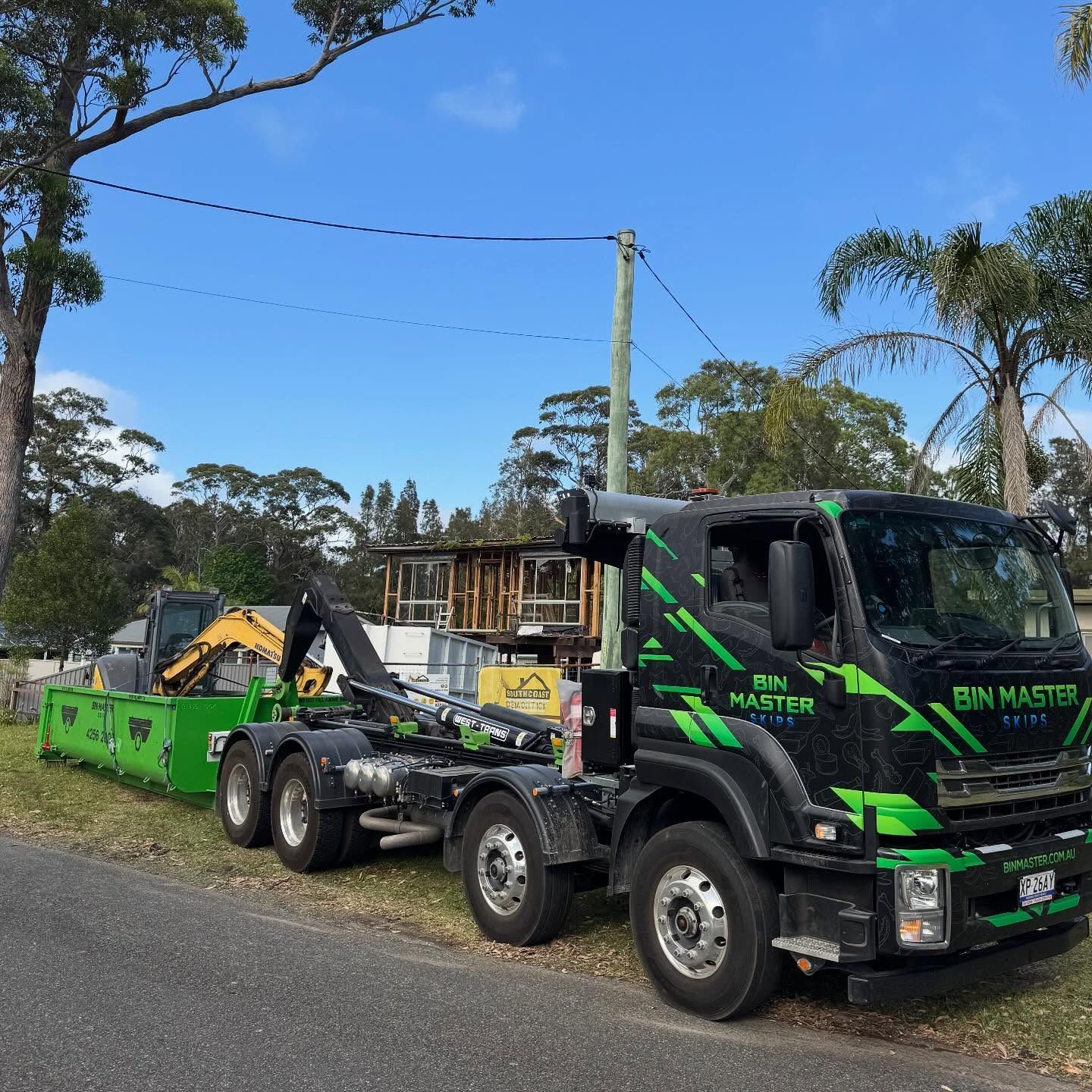
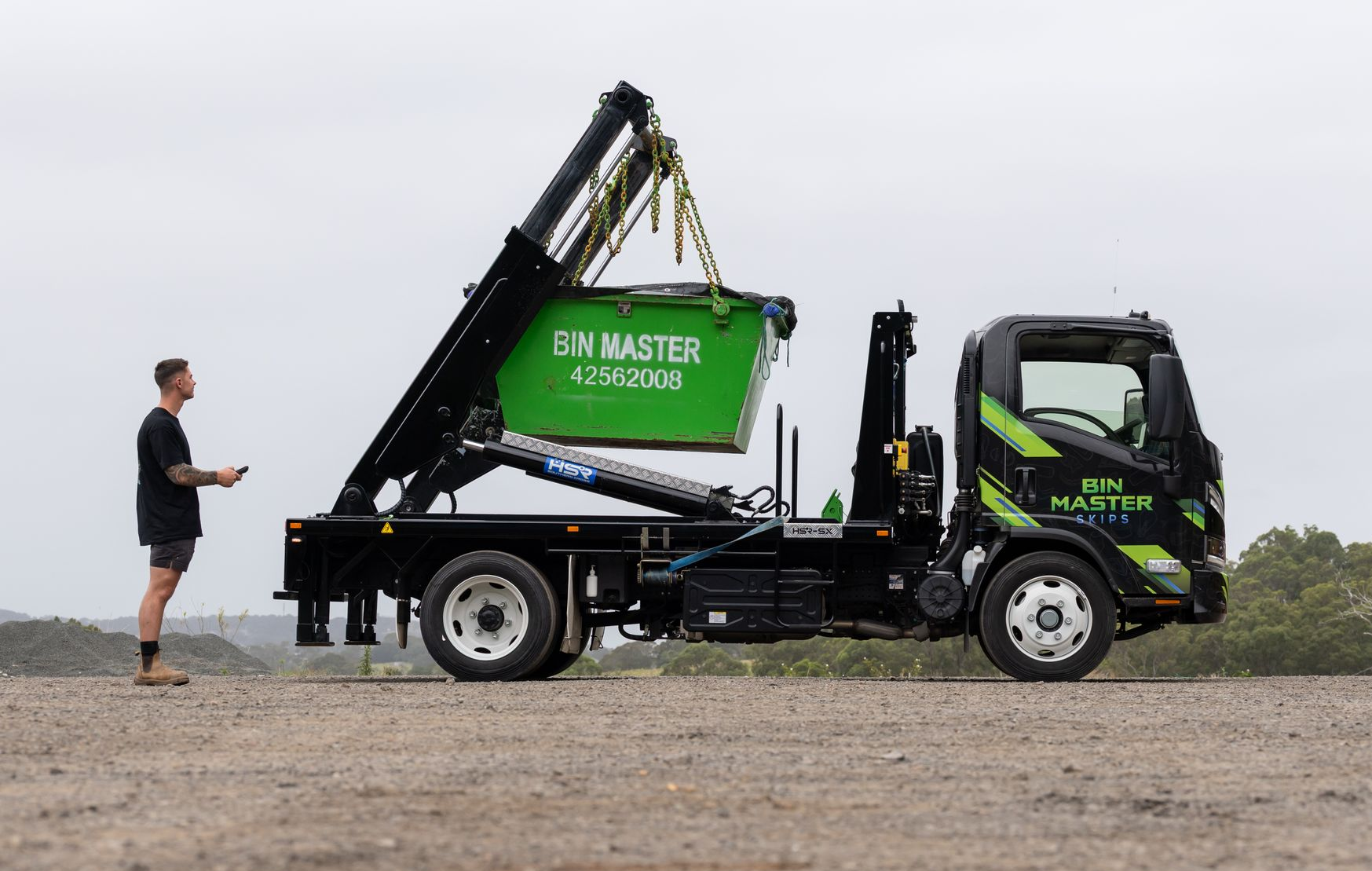
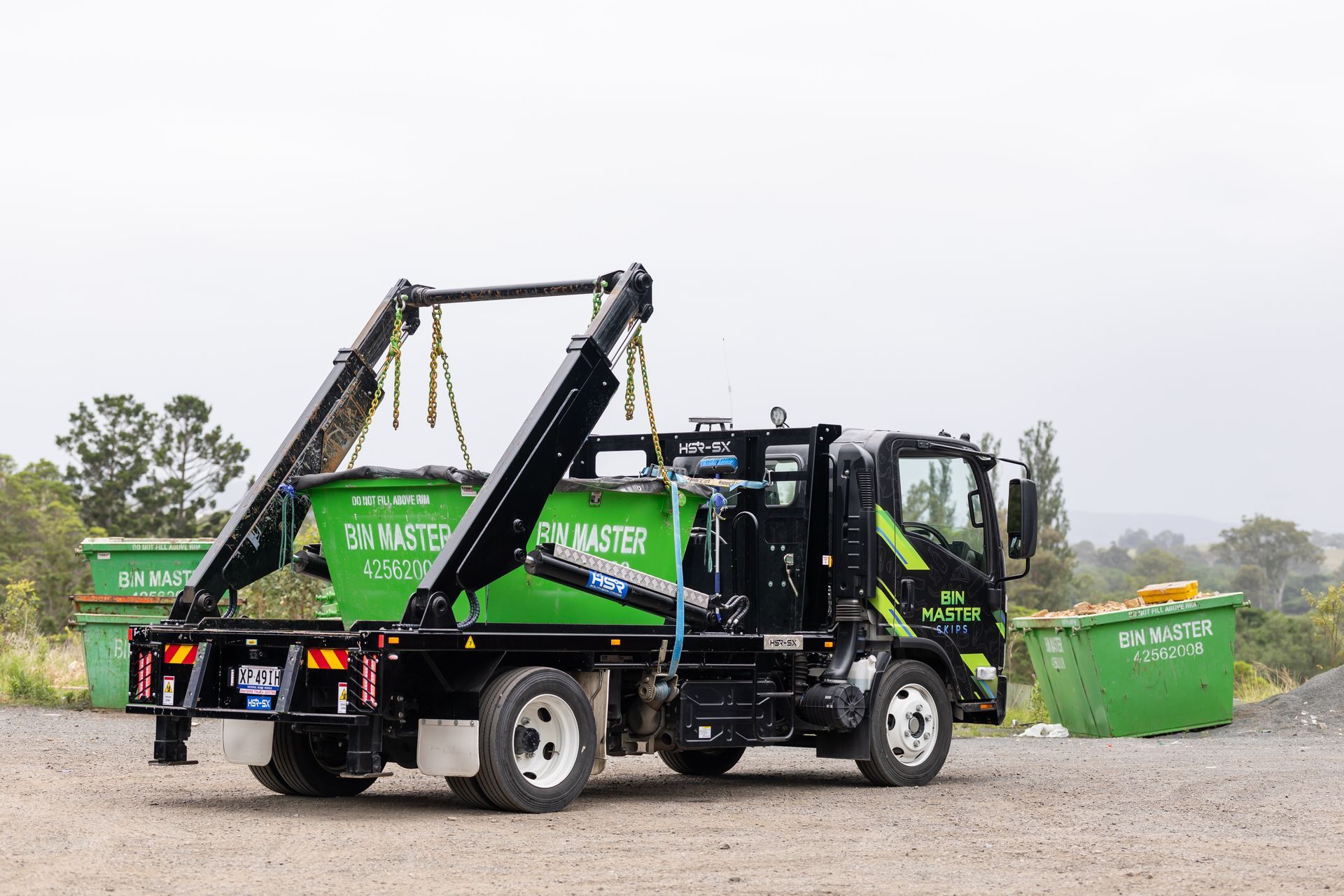
Skip bins provide an efficient way to collect and segregate construction and demolition waste on-site.


By collaborating with a
reputable skip bin hire provider and designating different bins for recyclable materials, hazardous waste, and general debris, you can streamline waste disposal and guarantee compliance with regulations.


This approach also helps keep the worksite clean and organised while facilitating the transport of waste for recycling or disposal.

Conduct a Waste Audit

Whenever you have a project, make it a point to identify the types and quantities of materials generated.


This will aid in planning for the segregation and recycling of materials such as concrete, wood, metals, and hazardous items.

Recycle and Reuse

Recycling and reusing materials from demolition projects can help minimise landfill contributions and reduce the demand for new raw materials.


Determine which materials can be recycled or reused. Common recyclable materials include concrete, bricks, metals, and certain types of wood. Work with local recycling facilities to make sure the materials are properly processed.

Adhere to Local Regulations

During the waste audit, identify any hazardous materials, such as asbestos, lead, or chemicals, that require special handling and disposal.


Observe compliance with local, state, and federal regulations regarding hazardous waste disposal.

Engage Licensed Contractors

 If hazardous materials like asbestos or lead are present, work with licensed hazardous waste contractors to guarantee proper handling and disposal. These professionals are trained to manage hazardous substances safely.


Not only can they help minimise the risk of exposure to workers and the public but they also help streamline the waste disposal process.

Takeaway

Effectively managing construction and demolition waste is crucial for both the environment and the community.
Construction and demolition projects generate significant amounts of waste. But with the right strategies in place, such as using skip bins, complying to local regulations, and working with authorised contractors, much of this waste can be recycled or repurposed.


At Bin Master, we have a range of skip bin sizes to suit your project needs. We make sure that the construction and demolition waste collected in our skips is processed to reduce the amount that goes to the landfill.


Recyclable materials are sent to recycling plants and centres so they can be reused or repurposed. To learn more about our skip hire services, get in touch with us.

Bin Master Skip Bins offers a wide range of skip bin and skip bag sizes for different waste removal needs at great rates. Whether it's household waste, construction debris, or green waste, we have a suitable skip solution available for you.

Share this article

Recent Posts

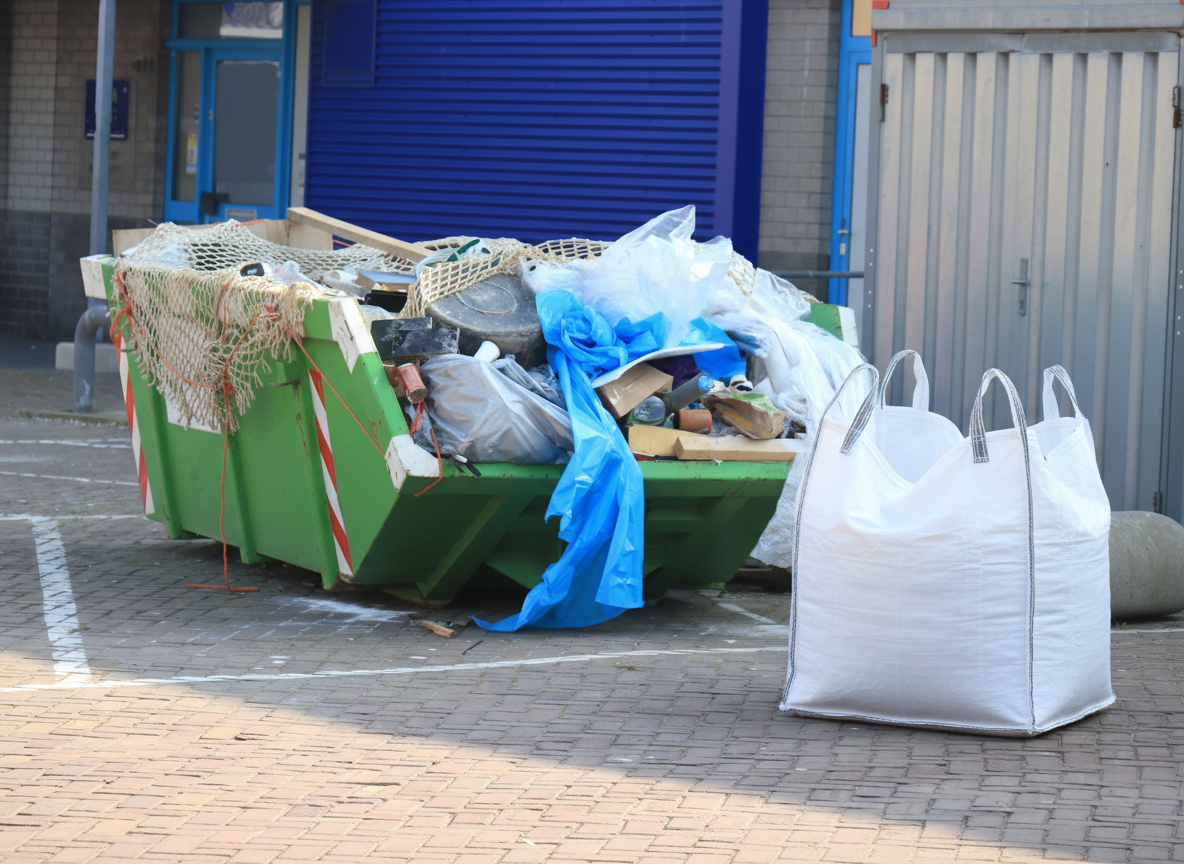
Green dumpster overflowing with trash; a large white bag sits nearby.
by Bin Master 3 March 2026
Skip bags suit small, flexible clean-ups, while skip bins handle larger and heavier waste. Compare the options and plan ahead.
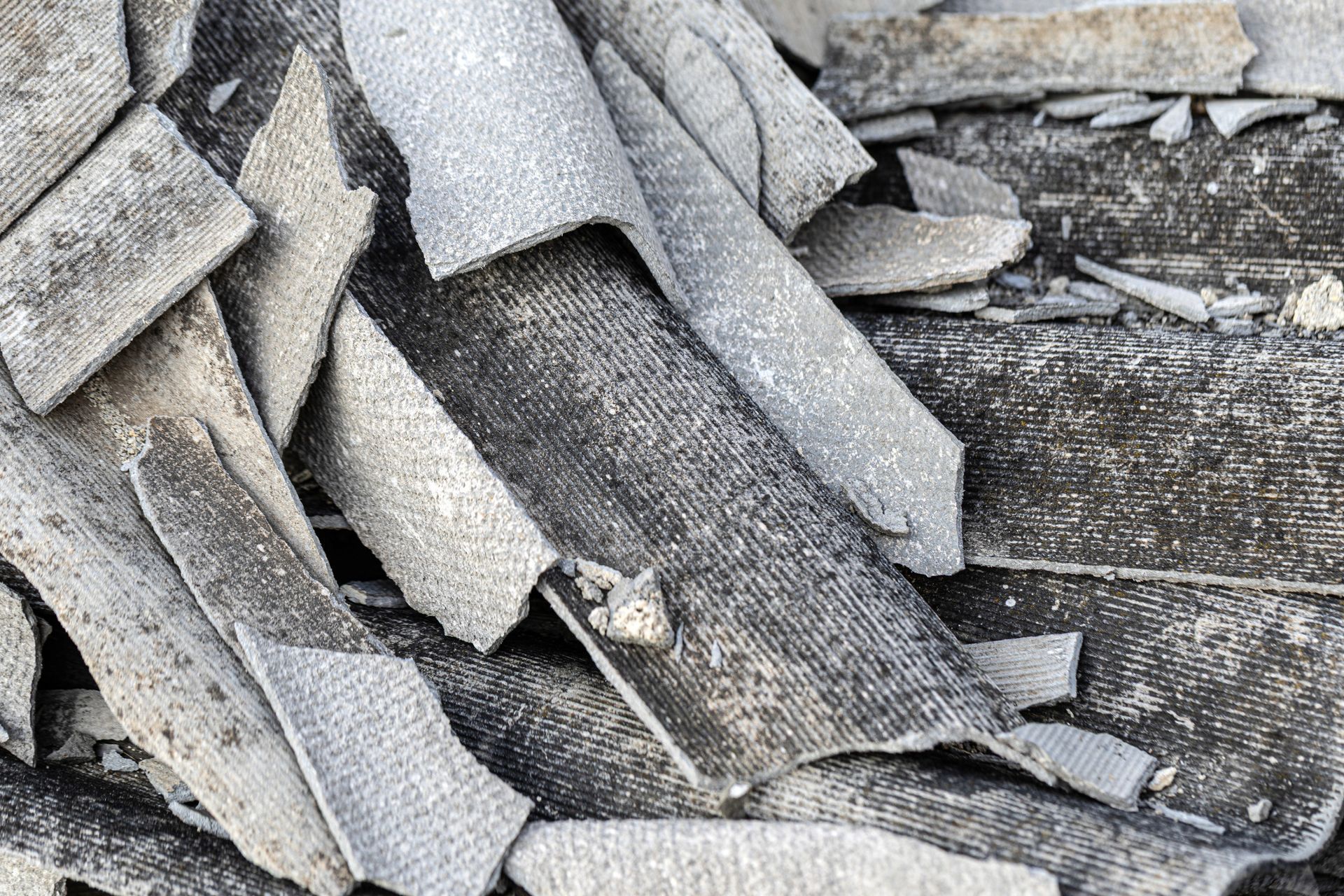
Scattered gray, broken asbestos roofing material.
by Bin Master 27 February 2026
If your Wollongong home was built before 1990, there’s a good chance it contains asbestos somewhere. Learn how to handle it safely.
Green dumpster on a dirt path, surrounded by trees under a sunny sky.
by Bin Master 23 February 2026
Skip bin permits in Wollongong come down to one simple question: where will your bin sit? Get the clear answer before booking.

White mattress covered in crumpled white fabric, lit from above, against a dark background.
by Bin Master 19 February 2026
From free Council cleanups to professional collection, mattress disposal doesn’t have to be difficult. Find the best option.
Pile of discarded wood scraps on green grass in a yard.
by Bin Master 16 February 2026
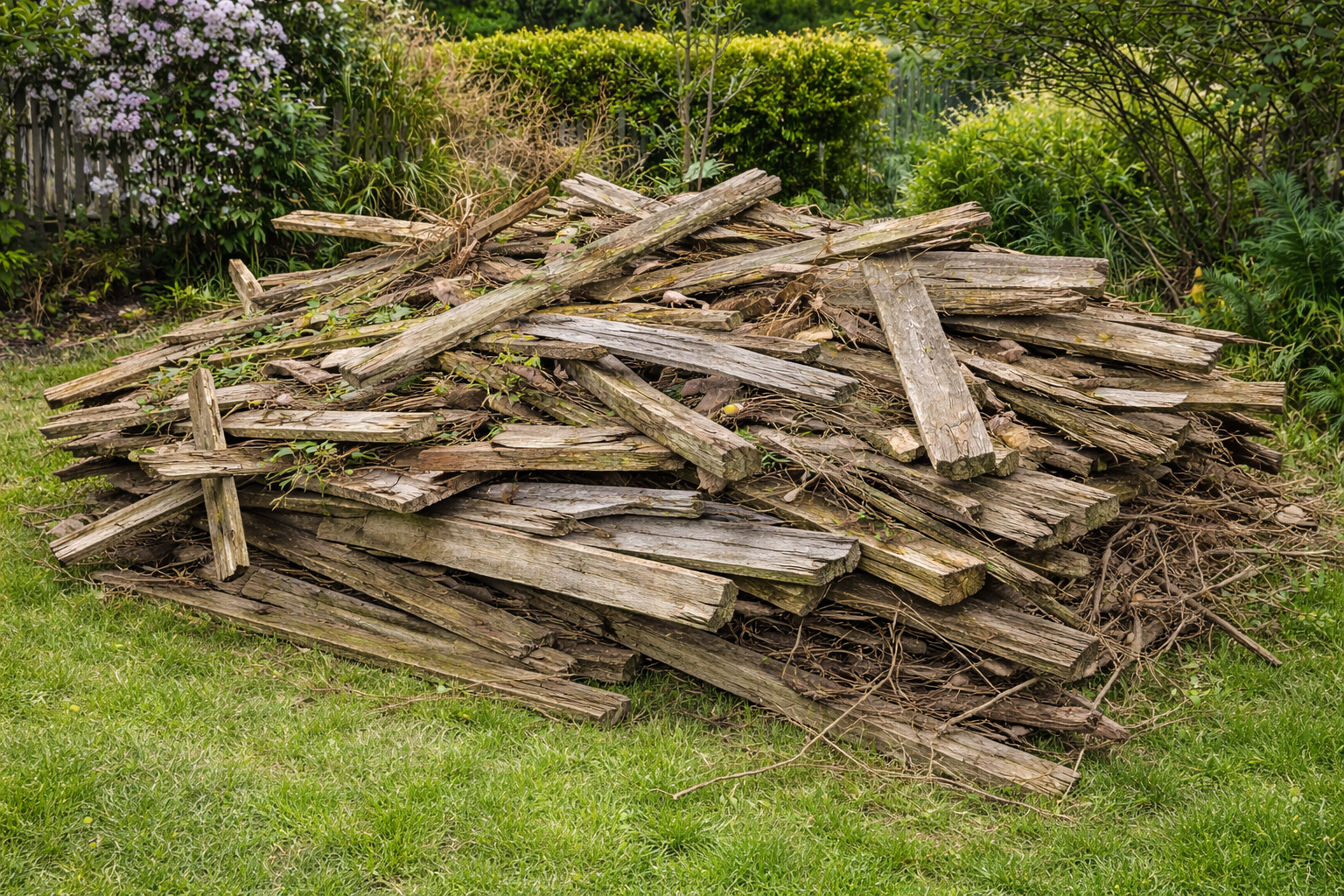
Old fences create more waste than most homeowners expect, from palings to concrete-set posts. See what skip size suits your job.

Cluttered living room: couches, bookshelves, and various items scattered across the floor, window in
by Bin Master 13 February 2026
A deceased estate clean-out means furniture, household items and decades of possessions to manage. See how to handle the waste side.
Pile of broken bathroom fixtures: toilet, sink, tub, and tile rubble outdoors.
by Bin Master 6 February 2026
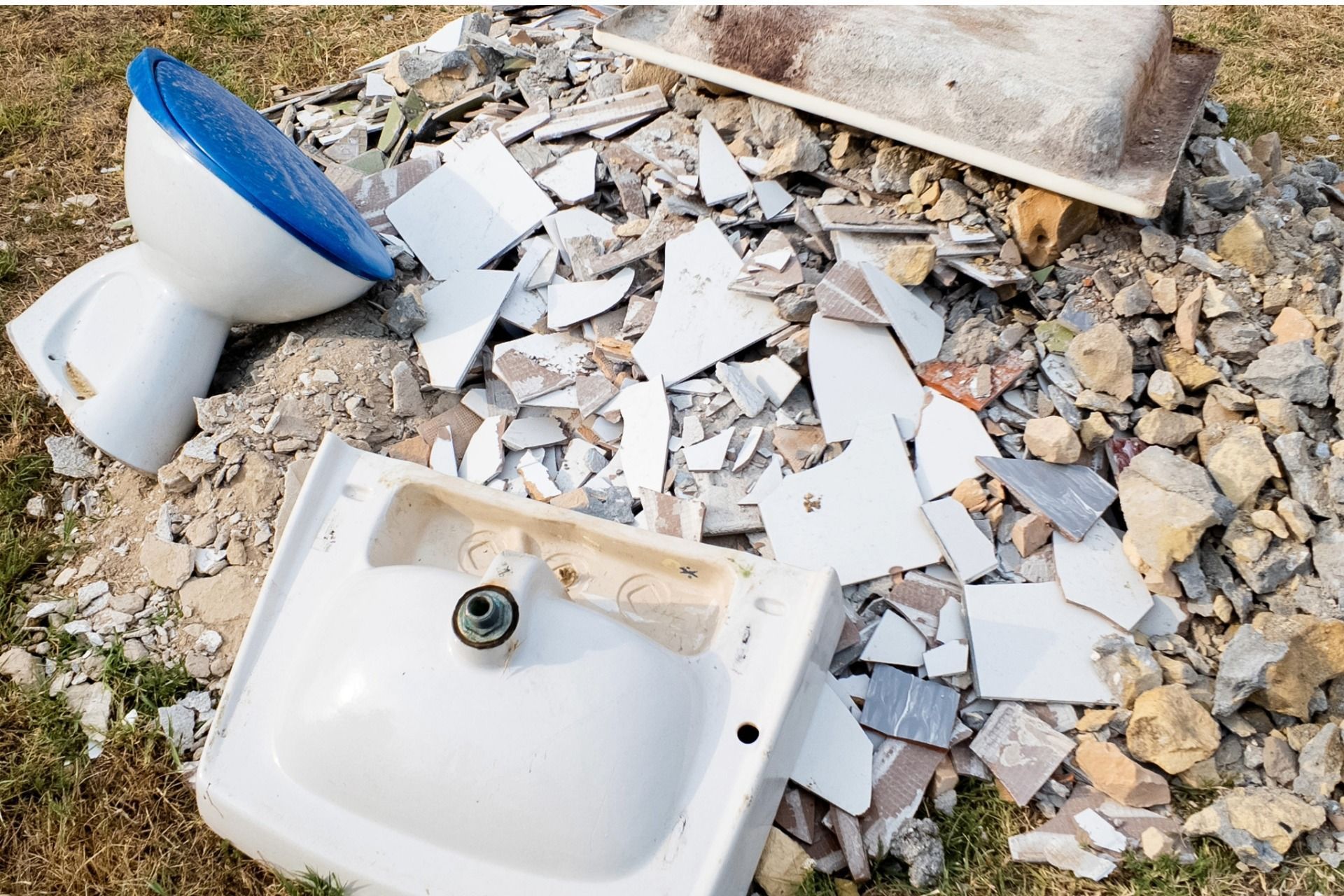
Bathroom renovations generate tiles, vanities, fixtures and more. Choosing the right skip bin size avoids extra costs. Read the full blog.
Green dumpster overflowing with debris on a red brick sidewalk near green bushes.
by Bin Master 29 September 2025
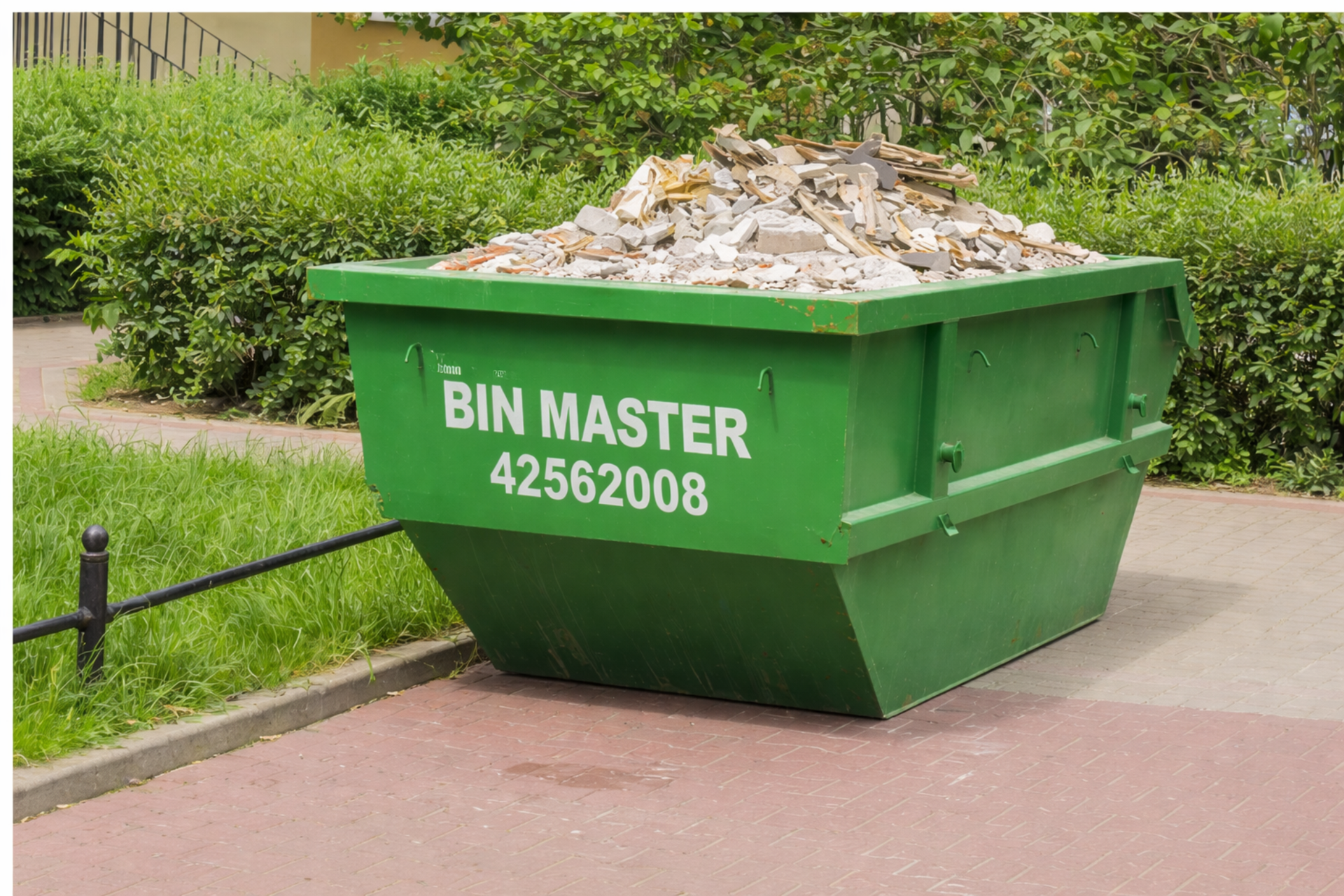
Breaking up concrete? Hire the right skip for heavy waste and avoid tip hassles. We deliver across the Illawarra.

Two people sitting on a couch, reviewing documents and using a calculator to manage their personal finances.
15 September 2025
Wondering how much it costs to rent a skip bin? Learn what affects pricing and how to choose the right bin for your clean-up.
Show More

We hope you enjoyed reading this blog post!

Bin Master Skip Bins is a family-owned and -operated skip hire company servicing Wollongong and the surrounds. We provide skips for various waste disposal needs. Visit our website to explore our range of skip sizes.